Are you ready to start your own blog and make money online? In this article, you’ll discover the secrets to creating a successful blog that generates a whopping $20k per month. Drawing from their personal experience, the author shares how they made $100,000 with their blog in less than two years and gained a massive audience of over 50,000 monthly readers. Featured in prestigious publications like Forbes, Entrepreneur, and Business Insider, the author understands the ever-evolving blogging landscape and provides practical tips to help you get started. With 7 easy steps, including setting up a blog, choosing a niche, installing WordPress, selecting a theme, installing plugins, creating outstanding content, and promoting your blog, you’ll be on your way to blogging success. They introduce “The Authority Flywheel,” a concept that focuses on personal expertise, market monetization opportunities, and leveraging unique qualities for success. From domain name selection to theme choice, plugin recommendations for SEO and site speed optimization, to creating quality content that aligns with search intent, this article covers all the essentials for launching your profitable blog. Get ready to embark on an exciting journey towards financial freedom and creative expression with your very own blog!
How to Start a Blog and Make Money Online: The Ultimate Guide
Welcome to the ultimate guide on how to start a blog and make money online! In this comprehensive article, we will walk you through the step-by-step process of setting up a blog, choosing a niche, installing WordPress, selecting a theme, installing plugins, creating great content, and promoting your blog. Whether you are a beginner or an experienced blogger, these tips and strategies will help you take your blog to the next level and reach your goal of making $200k per month.

Step 1: Setting up a Blog
Choose a domain name
The first step in setting up a successful blog is choosing a domain name. Your domain name should be relevant, memorable, and reflect the essence of your blog. Take some time to brainstorm ideas and choose a name that resonates with your target audience.
Select a reliable hosting service
Once you have chosen a domain name, it’s important to select a reliable hosting service. Your hosting service will determine the speed, performance, and security of your blog, so make sure to do your research and choose a reputable provider.
Register your domain
After choosing a domain name and hosting service, it’s time to register your domain. This will ensure that your chosen domain name is exclusively yours and no one else can use it.
Set up your hosting
With your domain registered, it’s time to set up your hosting. This involves linking your domain to your hosting service and configuring the necessary settings.
Link your domain and hosting
The final step in setting up your blog is linking your domain and hosting. This is usually done by updating the DNS settings of your domain to point to your hosting provider. Consult your hosting provider’s documentation or contact their customer support for guidance on how to do this.
Step 2: Choosing a Niche
Identify your passion and expertise
To create a successful and sustainable blog, it’s essential to choose a niche that you are passionate about and have expertise in. Think about your interests, knowledge, and skills, and identify a niche that aligns with them.
Research popular and profitable niches
While it’s important to choose a niche that you are passionate about, it’s also crucial to consider its popularity and profit potential. Research popular and profitable niches using keyword research tools, online communities, and industry reports.
Evaluate competition and market size
Once you have identified potential niches, evaluate the competition and market size of each. Look for niches with a healthy balance of competition and market size – too much competition may make it harder to stand out, while too small a market may limit your earning potential.
Narrow down your niche
Based on your research and evaluation, narrow down your niche to a specific topic or subcategory. This will help you target a more specific audience and establish yourself as an authority in that particular area.


Step 3: Installing WordPress
Download the latest version of WordPress
WordPress is the most popular content management system for blogging, and it’s easy to install and use. Download the latest version of WordPress from the official website and follow the installation instructions provided.
Create a database on your hosting service
Before installing WordPress, you need to create a database on your hosting service. This is where all your blog’s data will be stored. Access your hosting control panel and look for the database management section to create a new database.
Upload and install WordPress
Once your database is set up, upload the WordPress files to your hosting server using an FTP client or the file manager provided by your hosting service. After uploading, navigate to your domain and follow the on-screen instructions to complete the installation.
Configure the basic settings
After installing WordPress, take some time to configure the basic settings. Navigate to the “Settings” section in your WordPress dashboard and adjust settings such as site title, tagline, time zone, and permalinks.
Select a permalink structure
Permalinks determine the URL structure of your blog posts. Choose a permalink structure that is search engine friendly and reflects the structure of your content. Common options include using the post title or post category in the URL.
Step 4: Selecting a Theme
Consider your blog’s branding
Your blog’s theme plays a crucial role in establishing its branding and giving it a unique look and feel. Consider the overall aesthetic and design elements that align with your blog’s niche and target audience.
Choose a responsive and user-friendly theme
With the increasing use of mobile devices, it’s essential to choose a responsive theme that adapts to different screen sizes. Additionally, opt for a user-friendly theme that provides a smooth and intuitive browsing experience for your readers.
Ensure compatibility with plugins
To enhance the functionality of your blog, you will likely install various plugins. Make sure to choose a theme that is compatible with the plugins you plan to use. Check the theme’s documentation or contact the theme developer for guidance on compatibility.
Customize the theme’s appearance and layout
Once you have selected a theme, customize its appearance and layout to align with your branding and create a visually appealing blog. Utilize the theme’s customization options or consider hiring a web designer to help you achieve the desired look.
Step 5: Installing Plugins
Install an SEO plugin
Search engine optimization (SEO) is crucial for driving organic traffic to your blog. Install an SEO plugin, such as Yoast SEO or Rank Math, to optimize your content for search engines, improve your rankings, and attract more visitors.
Install a caching plugin for site speed optimization
Site speed is a critical factor in user experience and search engine rankings. Install a caching plugin, such as WP Rocket or W3 Total Cache, to optimize your blog’s speed by caching static content and reducing server load.
Install a security plugin
Protecting your blog from potential threats is essential. Install a security plugin, such as Sucuri or Wordfence, to strengthen your blog’s security by monitoring and blocking suspicious activity, implementing firewalls, and scanning for malware.
Install a social sharing plugin
To encourage social sharing and increase your blog’s visibility, install a social sharing plugin, such as Social Warfare or ShareThis. These plugins add social sharing buttons to your blog posts, making it easy for readers to share your content on social media.
Install an email opt-in plugin
Building an email list is an effective way to engage with your audience and promote your blog. Install an email opt-in plugin, such as OptinMonster or ConvertKit, to create eye-catching opt-in forms and capture email addresses.
Step 6: Creating Great Content
Identify your target audience
To create content that resonates with your readers, it’s important to identify your target audience. Understand their demographics, interests, and pain points, and tailor your content to meet their needs.
Research and understand their needs
Once you know who your target audience is, research their needs and preferences. Use keyword research tools, conduct surveys or interviews, and analyze their online behavior to gain insights into the type of content they are looking for.
Brainstorm content ideas
With a solid understanding of your target audience’s needs, brainstorm content ideas that address their pain points and provide value. Don’t be afraid to think outside the box and experiment with different formats and styles to keep your content fresh and engaging.
Create a content calendar
To stay organized and consistent with your content creation, create a content calendar. Plan your blog posts in advance, set deadlines, and track your progress to ensure you consistently publish high-quality content.
Write high-quality and engaging blog posts
When writing blog posts, focus on producing high-quality and engaging content. Use a conversational tone, incorporate storytelling techniques, and provide actionable tips or solutions to captivate your readers and keep them coming back for more.

Step 7: Promoting Your Blog
Utilize social media platforms
Social media is a powerful tool for promoting your blog and reaching a wider audience. Utilize platforms like Facebook, Instagram, Twitter, and LinkedIn to share your blog posts, engage with your audience, and build relationships with other bloggers in your niche.
Engage with your audience on forums and communities
Participate in forums and online communities related to your niche to connect with like-minded individuals and establish yourself as an expert in your field. Share valuable insights, answer questions, and provide helpful resources to gain visibility and drive traffic to your blog.
Guest post on other blogs
Guest posting on other blogs allows you to reach new audiences and build backlinks to your blog, which can improve your search engine rankings. Look for reputable blogs in your niche that accept guest contributions and submit high-quality guest posts.
Optimize your blog for SEO
Optimizing your blog for search engines is crucial for attracting organic traffic. Conduct keyword research, optimize your blog posts with relevant keywords, create informative meta descriptions, and build high-quality backlinks to improve your blog’s visibility in search engine results.
Leverage email marketing
As mentioned earlier, building an email list is essential for promoting your blog. Use email marketing to provide valuable content, inform your subscribers about new blog posts, and promote products or services that align with your niche. Offer incentives, such as free resources or exclusive discounts, to encourage sign-ups.
The Authority Flywheel
Leveraging your personal expertise
One of the key strategies for building a successful blog is leveraging your personal expertise. Share your knowledge and insights, establish yourself as an authority in your niche, and provide valuable content that sets you apart from your competitors.
Identifying market monetization opportunities
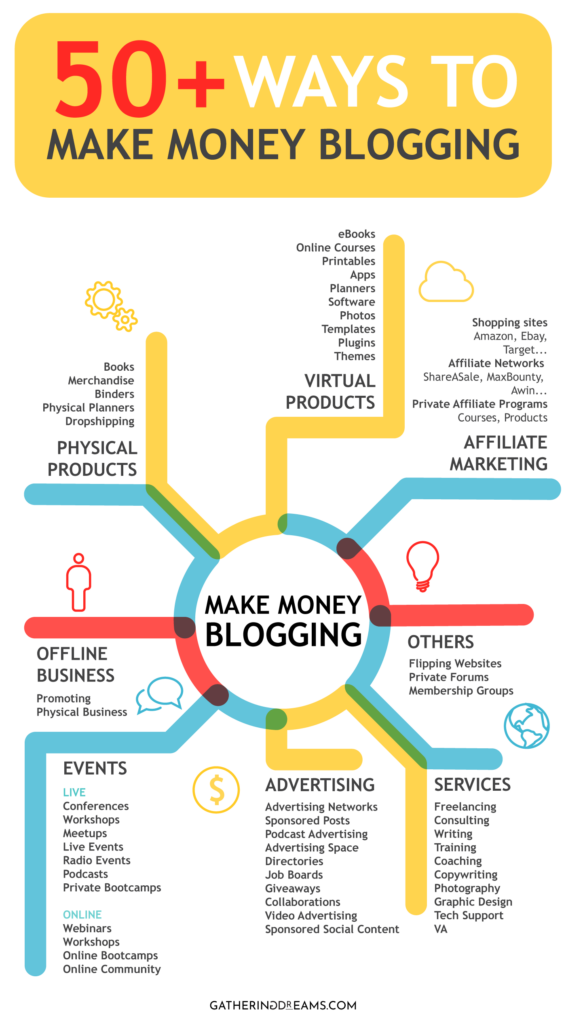
To make money from your blog, it’s important to identify and explore market monetization opportunities. This can include affiliate marketing, sponsored content, advertising, selling digital products or services, or creating online courses.
Uniqueness as a key differentiator
In a saturated blogging landscape, it’s crucial to highlight your unique qualities and offer something different to your readers. Whether it’s your writing style, personal experiences, or innovative ideas, use your uniqueness as a key differentiator to stand out and attract a loyal following.

Domain Name Selection
Choose a relevant and memorable domain name
When choosing a domain name, consider its relevance to your niche and make it memorable for your audience. A catchy and easily searchable domain name can make a lasting impression and increase the chances of repeat visitors.
Consider domain name extensions
Domain name extensions, such as .com, .net, or .org, can impact how your blog is perceived by users and search engines. While .com is the most popular and widely recognized extension, consider other extensions that fit your blog’s purpose and niche.
Avoid trademark infringement
To avoid legal issues, make sure your chosen domain name does not infringe on any trademarks. Conduct a thorough search and check for any existing trademarks related to your domain name or niche.
Check domain availability
Before finalizing your domain name, check its availability. Use domain name search tools provided by domain registrars to see if your chosen domain name is available for registration. If it’s not available, consider alternatives or slight variations that align with your branding.
Creating Quality Content
Research and use target keywords
To improve your blog’s visibility in search engine results, research and use target keywords in your content. Identify relevant keywords using keyword research tools, incorporate them naturally into your blog posts, and optimize your meta tags accordingly.
Craft compelling and informative headlines
Headlines play a crucial role in capturing readers’ attention and enticing them to click on your blog posts. Craft compelling and informative headlines that clearly communicate the value of your content and encourage readers to engage.
Include engaging visual content
Visual content, such as images, videos, infographics, or charts, can enhance the readability and engagement of your blog posts. Use relevant and high-quality visuals to break up the text, illustrate your points, and provide a visually appealing experience for your readers.
Write in-depth, well-structured articles
In today’s competitive blogging landscape, in-depth and well-structured articles tend to perform better. Research your topics thoroughly, provide comprehensive information, and organize your content using headings, subheadings, bullet points, and numbered lists for easy readability.
Align content with search intent
To attract organic traffic and improve your search engine rankings, make sure your content aligns with search intent. Understand what users are looking for when they search for specific keywords and create content that fulfills their needs and provides relevant solutions or information.
Congratulations! You now have a comprehensive understanding of how to start a blog and make money online. By following the steps outlined in this guide and implementing the recommended strategies, you are on your way to building a successful blog that generates $200k per month. Remember to stay consistent, create high-quality content, and adapt your blogging strategies as the landscape evolves. Good luck!